L
ake of the Ozarks isn’t just a summer hotspot—it’s a living museum of American boating history. With over 1,100 miles of shoreline, its story is tied to engineering marvels, mid-century leisure trends, famous entertainers, and generations of families who fell in love with life on the water. As the lake evolved, so too did the boats that graced it—from wooden workhorses and family runabouts to high-performance machines and luxury yachts.
This article explores the full history of boating on Lake of the Ozarks—how it started, how it flourished, and how its reputation spread far beyond the Midwest.
THE BIRTH OF A LAKE AND THE FIRST BOATS
Lake of the Ozarks was born out of necessity and ingenuity. Completed in 1931, Bagnell Dam created the reservoir as part of a Union Electric Company hydroelectric project. At the time, it was the largest man-made lake in the United States, flooding valleys and farmlands to create a vast, serpentine waterway that mimicked a river more than a lake.
In those early years, transportation on the lake was practical. Locals and laborers used rowboats, flat-bottomed skiffs, and wooden fishing boats to navigate the new waters. Gasoline-powered motors were rare, expensive, and unreliable. Fishing – especially for crappie, bass, and catfish – was the dominant reason to venture out.
THE 1940S AND 1950S: WARTIME ENDS, RECREATION BEGINS
Following World War II, Americans were eager for leisure – and the boat industry was ready to respond. Advances in fiberglass boat manufacturing and motor reliability made ownership more accessible. Military veterans, armed with GI Bill benefits and upward mobility, brought their families to the Ozarks for vacations.
Small resort towns sprung up along the shoreline: Osage Beach, Sunrise Beach, Camdenton, Gravois Mills, and Laurie. These towns offered marinas, bait shops, and vacation rentals. Aluminum johnboats and early runabouts became common. Resort owners often kept boats for rent, opening the experience to even those who didn’t own one. The lake’s signature family experience was forming: fishing at dawn, boating by day, tubing, barbecuing by night.
THE 1960S AND 1970S: CULTURAL BOOM, BIGGER BOATS, AND CHANGING TIMES
As the Baby Boomer generation came of age, boating moved from pastime to lifestyle. Water skiing, introduced in the 1920s, exploded in popularity during the ’60s and ’70s thanks to new towboats, stronger ropes, and competitive tournaments.
This period also saw a rise in cabin cruisers and houseboats, appealing to boaters who wanted to spend the weekend or the week on the water. With deeper hulls and onboard amenities, these boats required more training and docking space, leading to the growth of private docks, marinas, and boat storage businesses.
Fuel prices were low, and horsepower was king. Boats were getting faster, bigger, and more colorful.
ANTIQUE AND CLASSIC BOATS: PRESERVING THE GOLDEN AGE
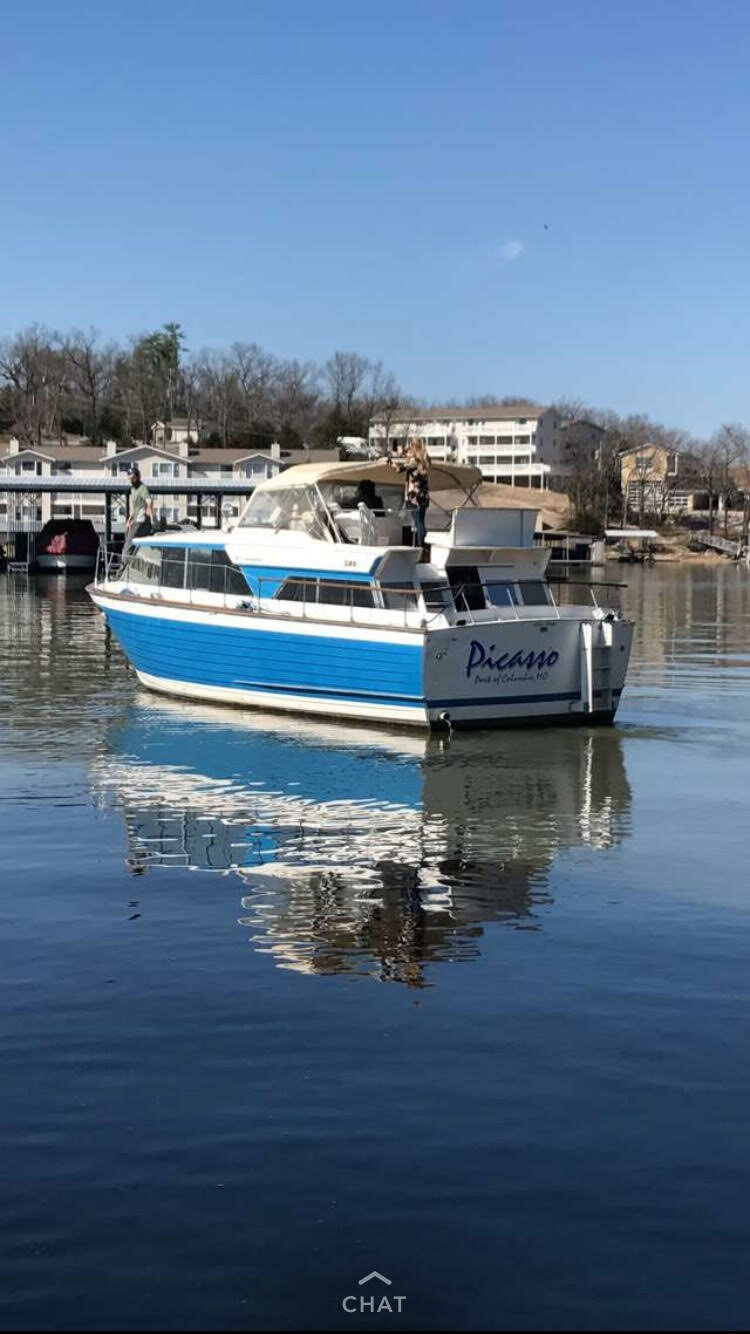
While Lake of the Ozarks is often known for its modern speedboats and pontoons, it also hosts a passionate community of classic boat collectors and restorers. These are the wooden-hulled masterpieces from the 1920s through the 1960s – mahogany runabouts, vintage Chris-Crafts, Gar Woods, Centurys, and Hacker Crafts – that defined elegance and craftsmanship in American boating.
Events like the Lake of the Ozarks Classic Boat Show, often held at locations such as Dog Days or Lakewood Marina, give spectators the chance to view beautifully restored antiques up close. Some vessels are fully operational and still cruise the lake, their varnished decks glistening in the sun and their engines growling with old-school charm.
Many of the boat owners are part of the Antique & Classic Boat Society (ACBS) regional chapter. These enthusiasts don’t just preserve history – they live it, piloting these floating time capsules across modern waters.
THE LEGACY OF CHRIS-CRAFT AT LAKE OF THE OZARKS
From the moment the waters of Lake of the Ozarks filled in behind Bagnell Dam in 1931, boating became an essential part of life in central Missouri. Among the earliest and most iconic vessels to grace the new lake were Chris-Craft boats – handcrafted mahogany masterpieces that represented elegance, adventure, and American ingenuity.
Built in Michigan and popularized in the 1920s and ‘30s, Chris-Craft quickly became a symbol of success and style. At Lake of the Ozarks, these boats found a natural home, gliding across the lake’s winding coves and wide-open channels with unmatched grace.
By the 1950s and ‘60s, Chris-Craft boats were a common sight at the lake’s resorts and marinas. The post-war boom brought with it an explosion of family tourism, and owning a Chris-Craft was the ultimate status symbol for vacationers and lake homeowners alike. These sleek wooden boats, with their polished brass and chrome details and powerful engines, weren’t just for show – they were built to perform. Boat shows and weekend regattas often featured Chris-Craft models prominently, drawing crowds to marvel at their craftsmanship and speed.
As boating caught on in the Ozarks, Chris-Craft wasn’t just a brand – it became a business model. In fact, some of the very first official boat dealerships at Lake of the Ozarks were early Chris-Craft distributors. These dealerships, often small family-run operations, set up shop near popular resorts and boat ramps, helping to establish a formal boating economy on the lake. They didn’t just sell boats – they offered a full boating lifestyle: fuel, service, accessories, and a trusted place to maintain those mahogany beauties. For many lake families, buying a Chris Craft from a local dealer was a rite of passage that marked their arrival into lake culture. These dealerships helped solidify Chris-Craft’s footprint in the Ozarks and contributed to the brand’s legendary status on the water.
One of the earliest and most recognized dealerships was Summers at the Lake, a small marina near Osage Beach that became a hub for Chris-Craft buyers in the 1940s and ‘50s. While not the only place to purchase a boat, it became a central player in showcasing new models, offering test rides, and supporting a growing community of wooden boat enthusiasts. Other dealerships, like Alhonna Resort’s marina and Paradise Boat Sales, followed suit in later decades, many of them expanding from simple rental docks into full-service operations due to the popularity of Chris-Craft and its competitors. These early dealers paved the way for today’s modern boat showrooms and service centers around the lake, and many of them built their reputations on the lasting quality and prestige that came with selling Chris-Crafts.
As boating technology evolved, fiberglass and aluminum boats began to dominate the waters, and by the 1970s, the classic wooden Chris-Crafts became rare sights. However, a devoted community of collectors and enthusiasts at Lake of the Ozarks helped preserve their legacy. Antique boat shows, restoration workshops, and clubs like the Heartland Classics Chapter of the Antique and Classic Boat Society kept the spirit alive. Many of these restored Chris-Crafts can still be seen today, lovingly maintained and proudly displayed during lake festivals and boating parades.
The history of Chris-Craft at Lake of the Ozarks is more than just a chapter in boating history—it’s a story of enduring style, craftsmanship, and cultural significance. These boats not only shaped the way people experienced the lake but also helped define its early reputation as a premier boating destination in the Midwest. Whether docked at a vintage marina or cruising past million-dollar homes, the silhouette of a Chris-Craft remains a nostalgic reminder of a golden era of lake life.
THE AMPHICAR: HALF CAR, HALF BOAT,
ALL NOSTALGIA
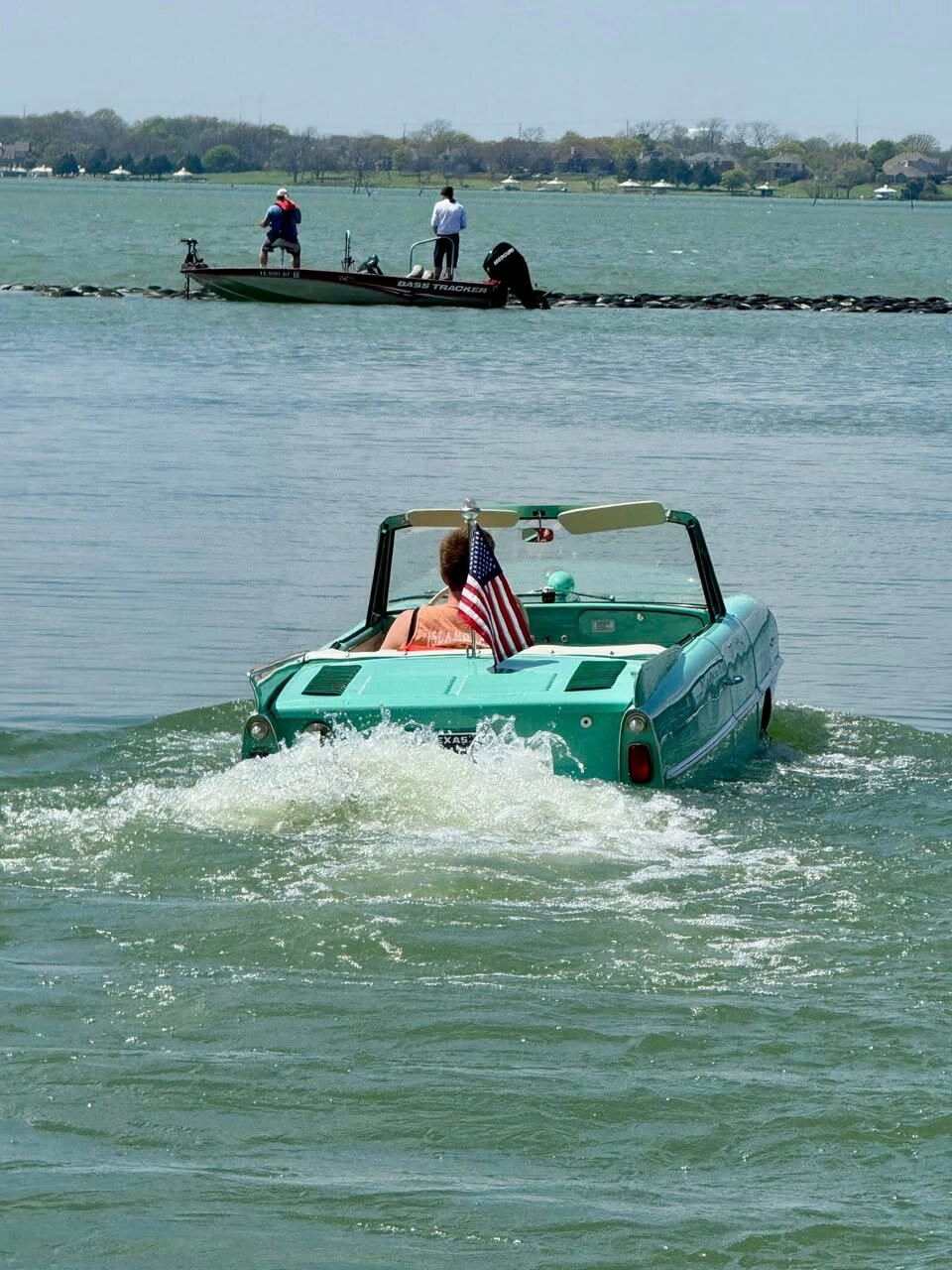
One of the most whimsical-and rare-sightings on Lake of the Ozarks is the Amphicar, a German-made amphibious vehicle produced in the 1960s that can drive on land and cruise on water. Fewer than 4,000 Amphicars were ever built, and today, spotting one on the lake is a unique experience that draws smiles from boaters and bystanders alike.
With its convertible top, whitewall tires, and rear propellers, the Amphicar looks like something out of a vintage postcard. Owners often launch directly from ramps or even drive down into the water from the parking lot, much to the amazement of onlookers.
A few Amphicars are privately owned at Lake of the Ozarks, and they occasionally appear at antique boat shows, poker runs, or themed parades. Their presence highlights the lake’s deep connection to recreational innovation and Americana charm.
THE RISE OF PERFORMANCE BOATING AND THE SHOOTOUT LEGACY
By the late 1980s and into the 1990s, Lake of the Ozarks had become a magnet for high-performance boating. With its long, narrow channels and deep water, it offered ideal conditions for boats built for speed. Cigarette boats, catamarans, and V-bottoms from brands like Fountain, MTI, Donzi, and Skater began dominating the scene.
The Lake of the Ozarks Shootout, started in 1988, has become the largest unsanctioned powerboat race in the country, with radar-recorded top speeds now exceeding 200 mph.
Key components of the Shootout include: Top Speed Runs, Poker Runs, Street Exhibits, and Charity Fundraising.
Today, performance boating is a subculture at the lake – complete with custom shops, dedicated marinas, and seasonal events that keep the adrenaline and tourism pumping.
THE EVOLUTION OF FISHING BOATS AND TOURNAMENT CULTURE
Fishing has always been at the heart of lake life – but the equipment has evolved dramatically. Bass boats from manufacturers like Ranger, Skeeter, and many other makes including from Bass Pro Shops replaced wooden skiffs. Advanced sonar, trolling motors, and live wells revolutionized the sport.
Major tournaments – ranging from local youth derbies to national televised championships – now draw professional anglers and huge crowds. Fishing remains one of the lake’s foundational traditions and a multi-generational pastime. A highlight of many visitors is a fishing experience with one of the lakes many fishing guides.
SAILING ON THE LAKE:
A QUIET TRADITION IN THE WIND
While Lake of the Ozarks is widely known for speedboats and pontoons, it’s also home to a dedicated sailing community. The lake’s long, winding arms and variable breezes offer ideal conditions for small keelboats, catamarans, and day sailors. For those who prefer the peaceful rhythm of the wind over the roar of an engine, sailing provides a timeless connection to the water.
One of the main hubs for sailing enthusiasts is the Ozark Yacht Club, located in Lake Ozark. This full-service marina offers slip rentals, sailing lessons, regattas, and a private clubhouse. The club hosts regular racing events and social gatherings, helping foster a tight-knit community that celebrates the art and sport of sailing.
Whether you’re trimming sails at sunrise or relaxing under canvas shade in a quiet cove, sailing at Lake of the Ozarks is a refreshing reminder that not all boating has to be fast to be fulfilling.
PONTOONS, WAKE BOATS, AND THE NEW BOATING BOOM
The boating scene at Lake of the Ozarks has never been more diverse—or more active. Today’s most common vessels include:
• Pontoons and tri-toons
• Wake boats
• Yachts
• Jet boats and personal watercraft (PWCs)
These boats reflect a broad range of lifestyles, from laid-back family cruising to adrenaline-fueled water sports and luxury entertaining. Pontoons and tri-toons remain a favorite for groups and families, while wake boats dominate the coves with tow ropes and towering waves. PWCs provide zippy thrills for solo riders, and yachts continue to elevate the lake’s luxury profile.
As of 2024, over 18,000 boats are officially registered on the lake. But during peak summer weekends, including holiday celebrations and major boating events, the actual number of vessels on the water – including visiting boats trailered in from surrounding states – can swell past 40,000. In fact, it is estimated that on any given holiday or weekend from Memorial Day through Labor Day, there are as many as 165,000 boats being operated on Lake of the Ozarks. It’s a testament to the lake’s enduring popularity and unmatched fleet variety in the heart of the Midwest.
THE BIGGEST BOATS ON THE LAKE: FLOATING LUXURY ON A GRAND SCALE
Not all boats at Lake of the Ozarks are pontoons and bass rigs-some are floating palaces. Think 70-foot yachts with upper-deck hot tubs, twin diesel engines, and all the luxury bells and whistles you’d expect from a waterfront mansion… except they move.
These aren’t just boats-they’re destinations in themselves. Picture satellite TVs beaming live sports to an outdoor lounge, climate-controlled salons with leather furniture, full kitchens, jet skis hanging off hydraulic swim platforms, and yes, some even have crew quarters.
You’ll find names like Sunseeker, Azimuth, Sea Ray L-Class and Hatteras docked at private coves, exclusive marinas, and lakefront estates that look like something out of the Mediterranean. These vessels can cost more than most lake homes—and some even serve as both.
During events like AquaPalooza or big weekends around Memorial Day and the Shootout, these mega-yachts raft up into what can only be described as floating neighborhoods. Music’s bumping, flags are flying, and people hop from boat to boat as if they were backyards.
Captains of these floating giants aren’t weekend warriors either. Most are licensed professionals who know the lake. Docking a 70-footer with weekend wake traffic? That takes skill-and a serious calm under pressure.
Yet despite their size, most of these yacht owners share the same love of the lake as everyone else. They drop anchor, fire up the grill, wave to passing kids on tubes, and soak in the same sunsets we all came here for.
From Depression-era rowboats to 200-mph powerboats, on-the water shuttles and taxi’s, charter yachts, and lake nightclubs, the boating evolution of Lake of the Ozarks mirrors the American spirit – bold, recreational, and always moving forward.
Whether you’re a lifelong local, a visiting family, or a professional captain, you are part of a story that’s still being written – one wave at a time.
Lake of the Ozarks isn’t just a destination – it’s a living legacy. And its best chapters are still ahead.